
HR & Payroll Outsourcing in India: Simplify Workforce Management for Growing Businesses
- May 11, 2026
- Posted by: admin
- Category: Business plans
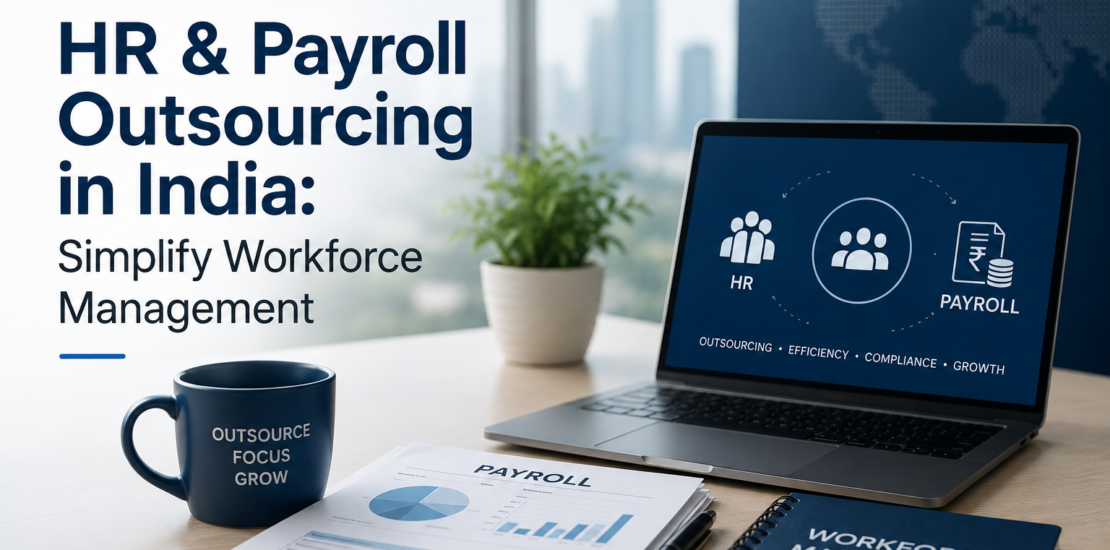
Managing people is one of the most important parts of running a business, but it is also one of the most time-consuming. From payroll calculations and tax compliance to employee onboarding and statutory filings, HR work can quickly become complex, especially for small businesses and fast-growing companies. In India, where labor laws, compliance requirements, and payroll rules often change, many organizations are turning to HR and payroll outsourcing to save time, reduce errors, and focus on growth. For tech-savvy teams and small business owners alike, outsourcing is no longer just a convenience—it is becoming a strategic way to simplify workforce management.
What HR and Payroll Outsourcing Means
HR and payroll outsourcing is the practice of handing over some or all human resources and payroll tasks to an external specialist. These services can include employee salary processing, attendance tracking, tax deductions, statutory compliance, onboarding, exit management, and HR documentation.
Instead of building a large in-house HR team, businesses work with an outsourcing partner that already has the tools, expertise, and systems to manage these processes efficiently. This can be especially useful for companies with limited internal resources or those operating in multiple Indian states, where compliance rules may vary.
For example, a startup with 25 employees may struggle to keep up with monthly payroll, PF filings, professional tax, and leave records. By outsourcing, the company can ensure accuracy while its founders and managers stay focused on product development, sales, and customer growth.
Why Outsourcing Is Growing in India
India’s business environment is dynamic, but it can also be administratively demanding. Payroll compliance involves multiple laws and statutory obligations such as Provident Fund, Employee State Insurance, gratuity, TDS, bonus, and state-specific labor regulations. Even small mistakes can lead to penalties, delayed salaries, or employee dissatisfaction.
According to industry reports, the Indian payroll outsourcing market has grown steadily in recent years as more companies adopt digital HR systems and cloud-based payroll solutions. This growth is driven by three major trends:
- The rise of startups and SMEs that need flexible HR support.
- Increasing regulatory complexity across central and state-level laws.
- Greater adoption of remote and hybrid work models, which require better workforce tracking.
Another important factor is cost efficiency. Hiring a full in-house HR and payroll team can be expensive for smaller firms. Outsourcing allows businesses to access experienced professionals and modern software without the overhead of permanent staff, training, and infrastructure.
Key Benefits for Small Businesses
For small business owners, outsourcing HR and payroll can make daily operations much smoother. The biggest advantage is time savings. Rather than spending hours on salary processing, leave approvals, and compliance checks, business owners can delegate these tasks to experts.
Here are some of the top benefits:
- Accuracy in payroll processing, reducing the risk of salary errors.
- Better compliance with Indian labor and tax regulations.
- Lower administrative costs compared with maintaining a large internal team.
- Improved employee experience through timely payments and structured HR support.
- Scalability, so the service grows with the business.
A practical example is a mid-sized IT services firm expanding from one office in Delhi to teams across Bengaluru and Pune. Each location may have different attendance patterns and statutory requirements. An outsourcing partner can manage these variations centrally, helping the business stay organized without creating operational bottlenecks.
For tech enthusiasts, another advantage is automation. Many outsourcing providers use cloud-based platforms, dashboards, and self-service employee portals. This means managers can track payroll, view reports, and approve HR workflows from anywhere, often in real time.
How Outsourcing Improves Compliance and Accuracy
Compliance is one of the strongest reasons to outsource HR and payroll in India. Employment laws can change, filing deadlines matter, and even a small data entry mistake can create problems for both employer and employee.
A good outsourcing partner helps businesses:
- Calculate salaries correctly, including bonuses, deductions, and reimbursements.
- File statutory returns on time.
- Maintain records required for audits and inspections.
- Handle employee onboarding and exit formalities properly.
- Reduce manual errors through automated workflows and validation checks.
This matters because payroll is not just a finance task; it is also a trust-building function. Employees expect timely and accurate pay, and even one error can affect morale. Outsourcing improves consistency, which is especially valuable in growing companies where internal teams may be stretched thin.
It also supports stronger data management. Many providers use secure systems to store employee data, payroll history, and compliance documents. This can reduce paper-based work and make audits easier to manage.
Choosing the Right Outsourcing Partner
Not every outsourcing provider offers the same level of service, so selecting the right partner is important. Businesses should look for a firm with experience in Indian payroll regulations, responsive support, and clear service processes.
Before choosing a provider, consider these points:
- Does the provider understand Indian compliance requirements in detail?
- Do they offer scalable services for growing teams?
- Is their platform easy to use for managers and employees?
- What security measures protect payroll and personal data?
- Do they provide reports and visibility into monthly processing?
It is also wise to ask for a demo or trial before signing a long-term contract. That way, you can test how the service works in practice and see whether it fits your business style.
If you are exploring professional support for HR and payroll management in India, you may want to review service options here: Tokyo Consulting Firm India.
The Future of Workforce Management in India
The future of workforce management is increasingly digital, flexible, and data-driven. Businesses are moving away from manual spreadsheets and paper files toward integrated HR platforms that support remote work, analytics, and employee self-service.
Outsourcing fits naturally into this future because it combines expertise with technology. Instead of treating HR and payroll as back-office tasks, businesses can use them as strategic functions that improve efficiency, compliance, and employee satisfaction.
For small businesses, this shift can be transformative. It allows leaders to spend less time on routine administration and more time on customer experience, product innovation, and market expansion. In a competitive economy, that can make a real difference.
Conclusion
HR and payroll outsourcing in India is more than a cost-saving tactic. It is a practical way to simplify workforce management, improve compliance, and create a better experience for employees and business leaders alike. Whether you are a startup founder, a small business owner, or a tech-focused manager looking for smarter systems, outsourcing can help you operate with more confidence and less stress.
As businesses continue to grow and regulations become more complex, outsourcing offers a reliable path forward. If you are ready to streamline HR operations, explore trusted service providers, request a demo, or take the next step toward a more efficient payroll system.
FAQ
1. What is HR and payroll outsourcing?
It is the practice of hiring an external provider to manage payroll, compliance, HR records, onboarding, and related administrative tasks.
2. Is payroll outsourcing suitable for small businesses?
Yes. It helps small businesses save time, reduce errors, and stay compliant without hiring a large internal HR team.
3. How does outsourcing improve compliance in India?
Outsourcing providers monitor legal requirements, calculate deductions correctly, and file statutory returns on time to reduce compliance risks.
