
Sector-Wise Business Opportunities in India for Foreign Investors (2025-2026)
- November 14, 2025
- Posted by: admin
- Category: Business plans
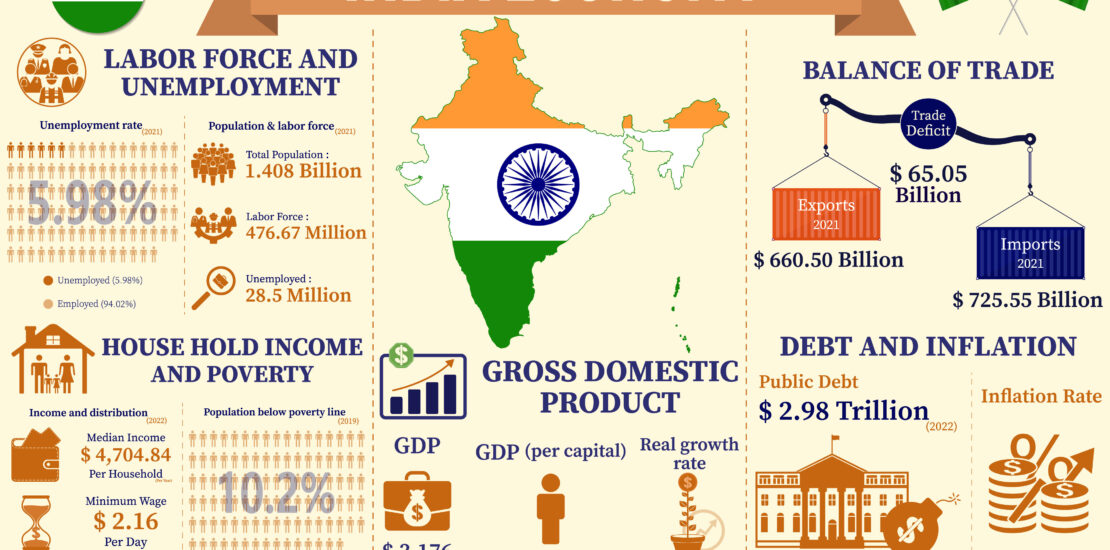
India has officially entered its “Amrit Kaal”—a golden era of economic transformation. With a projected GDP growth of 6.7% to 6.9% for FY 2025-26 and foreign direct investment (FDI) inflows surging to over $50 billion, the nation is the world’s fastest-growing major economy. For tech enthusiasts and small business owners, the current landscape offers a unique “China Plus One” advantage, combining massive domestic demand with a rapidly maturing export infrastructure.
1. The Financial Frontier: 100% FDI in Insurance
The landscape of Indian finance changed fundamentally in December 2025. With the passing of the Sabka Bima Sabki Raksha (Amendment of Insurance Laws) Bill, foreign investors can now hold 100% equity in Indian insurance companies, up from the previous 74% cap.
- The Opportunity: This move is designed to achieve “Insurance for All by 2047.” For foreign entities, this means total operational control and the ability to introduce global risk-assessment technologies without the need for a local joint venture partner.
- Key Stat: Insurance penetration in India currently sits at just 3.7% of GDP, leaving a massive untapped market in Tier 2 and Tier 3 cities.
- Investor Insight: Digital-first “InsurTech” platforms are the prime entry point for tech-focused investors looking to disrupt traditional distribution models.
2. Manufacturing & Electronics: The “Make in India” Surge
India’s manufacturing sector is no longer just about heavy machinery; it’s about high-tech value creation. The Production Linked Incentive (PLI) schemes across 14 sectors—including electronics, pharma, and solar hardware—have already realized investments of nearly ₹2 lakh crore as of late 2025.
- Electronics & Semiconductors: Apple now manufactures nearly 20% of its global iPhones in India. Small and medium enterprises (SMEs) are finding massive opportunities in the secondary supply chain—providing components, testing services, and specialized packaging.
- Green Energy Hardware: India aims for 450 GW of renewable energy by 2030. This creates an immediate need for foreign expertise in solar module manufacturing and advanced battery storage systems.
- Why Now? The logistics cost in India is being slashed from 14-16% to 9% of GDP via the PM Gati Shakti National Master Plan, making “Made in India” products globally competitive.
3. Technology & AI: From Services to Product Engineering
India is leading the world in AI adoption, with a staggering 92% adoption rate among the workforce compared to a 72% global average. The shift from Global Capability Centers (GCCs) doing back-end work to centers designing AI and cybersecurity solutions is profound.
- Deep Tech & SaaS: With over 1,800 GCCs now operational, there is a growing demand for specialized IT consulting that bridges the gap between Japanese/Western standards and Indian talent.
- SME Opportunities: Foreign tech startups can leverage India’s “Digital Public Infrastructure” (like UPI and ONDC) to scale retail and fintech products at a fraction of the cost required in Western markets.
4. Infrastructure: Building the Mega-Corridors
The Union Budget 2025-26 has allocated a record ₹11.21 lakh crore ($128 billion) for capital expenditure. This is a clarion call for foreign firms specializing in smart city tech, tunneling, and high-speed rail.
- Delhi-Mumbai Expressway: Nearing its final stages in 2025, this 1,350 km project is creating “Smart Cities” along its corridor, offering real estate and logistics opportunities for foreign developers.
- The “Gati Shakti” Advantage: Foreign investors can now access data and maps from the Gati Shakti portal to plan their logistics and factory locations with surgical precision.
How to Navigate Your Entry
Entering the Indian market requires more than just capital; it requires a bridge between two distinct corporate cultures. Tokyo Consulting Firm (TCF) India serves as that bridge. Specializing in helping foreign entities—particularly Japanese firms—establish a presence, TCF provides end-to-end support in:
- Business Setup & Incorporation
- Accounting & GST Compliance
- Payroll & HR Management
- Audit & Legal Consulting
Ready to explore your sector’s potential? Register for a Free Consultation with TCF India and let our experts guide your market entry strategy.
Frequently Asked Questions (FAQ)
Q1: Can foreign companies now own 100% of an Indian insurance firm?
Yes, following the 2025 amendment to the Insurance Laws, foreign investors are permitted 100% FDI in the insurance sector, allowing for full ownership and operational control.
Q2: What are the benefits of the PLI scheme for foreign small business owners?
The Production Linked Incentive (PLI) scheme provides financial incentives for incremental sales of products manufactured in India. This is particularly beneficial for SMEs in the electronics and medical device sectors looking to reduce their global manufacturing costs.
Q3: How long does it typically take to set up a business in India?
With recent digital reforms and the “SWAGAT-FI” facilitation portal, setting up a standard private limited company can take anywhere from 15 to 30 days, provided all documentation is in order.
Conclusion
India in 2025 is a land of structured opportunity. Whether it is the liberalized insurance sector, the high-tech manufacturing push, or the AI-driven service economy, the barriers to entry are falling. By aligning your global expertise with India’s local scale, the potential for growth is unparalleled.
